
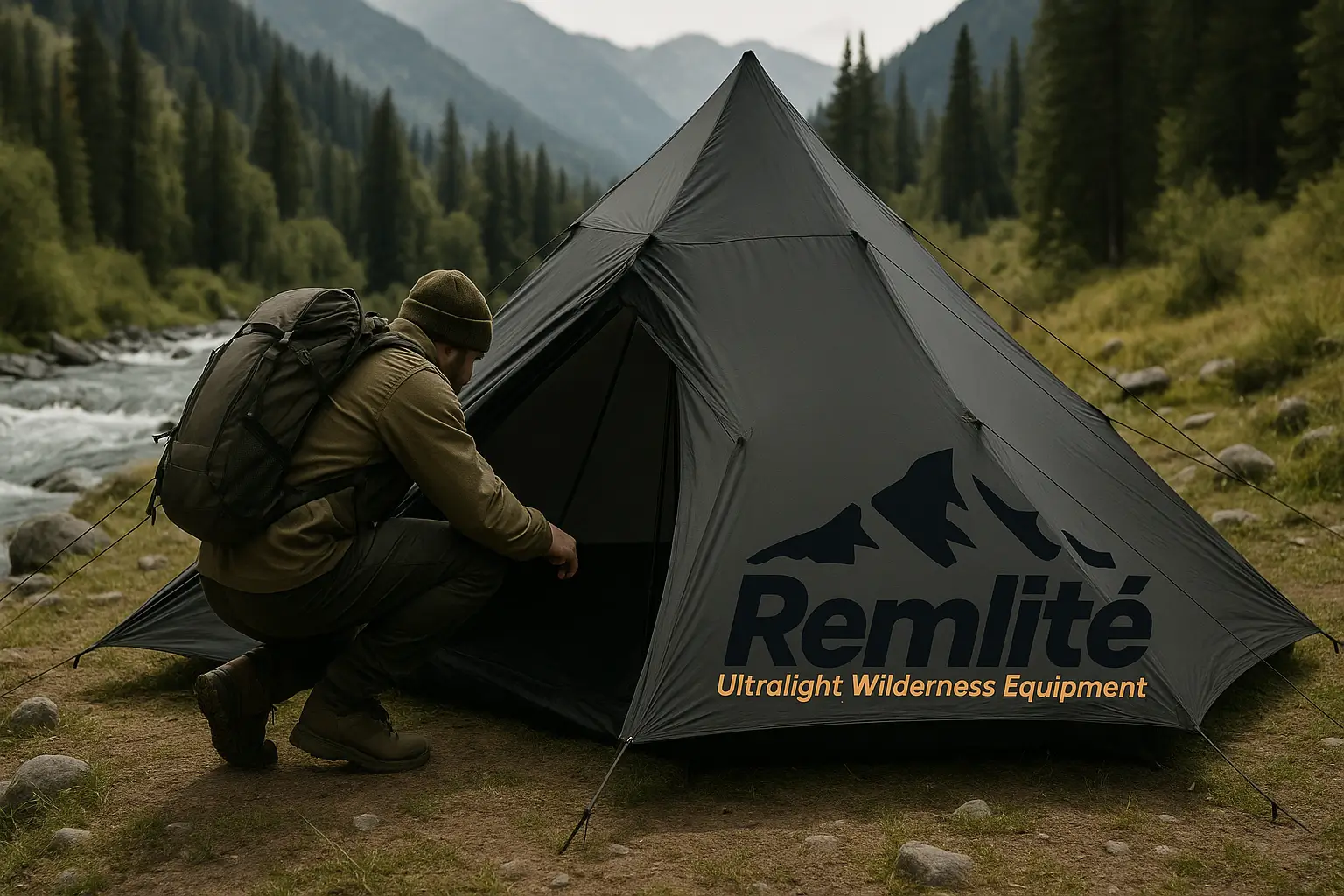
The philosophy underpinning New Zealand ultralight gear centres on a simple premise: reducing pack weight increases mobility, endurance, and safety in remote environments. Founded in 2020 by Stan Leenders, a wilderness enthusiast with 15 years of public land hunting and tramping experience, Remlite emerged from a personal watershed moment. During a severe storm in the Tararua Ranges, Leenders recognised how excessive gear weight had complicated an already perilous situation. This realisation sparked a mission to source and stock ultralight equipment suited to New Zealand’s unique backcountry challenges. The company now serves thru-hikers, bikepackers, and precision outdoor users throughout the country and into Australia.
Remlite’s core offering reflects a commitment to performance over bulk. Rather than stocking mass-produced alternatives, the retailer partners with specialist manufacturers emphasising hand-crafted construction and meticulous engineering. Brands such as Liteway, Nemo, and Therm-a-Rest feature prominently, each selected for durability, weight efficiency, and proven reliability in harsh conditions. The inventory spans shelter systems, sleep platforms, packs, technical apparel, and cooking equipment. Each category addresses the specific demands hikers and hunters face when traversing New Zealand’s Tararua Ranges, Fiordland, and remote South Island terrain.
Weight reduction extends beyond novelty; it underpins practical safety and enjoyment. Lighter loads allow adventurers to cover greater distances, navigate technical sections with improved balance, and recover faster during multi-day expeditions. Remlite communicates this philosophy through educational content, gear guides, and real-world field testing. Stan Leenders documents solo backcountry hunts, demonstrating equipment performance in live conditions rather than controlled environments. This transparency builds confidence among customers considering significant gear investments.
The ultralight philosophy also challenges conventional assumptions about durability and comfort. Many assume lighter equipment sacrifices resilience; New Zealand ultralight gear often proves otherwise. Hand-crafted tents from specialist makers employ advanced fabrics such as SilPoly that deliver superior tear resistance and weather protection whilst reducing overall weight. Sleeping systems from Remlite’s catalogue offer insulation performance comparable to heavier alternatives through innovative materials and design. Apparel selections, particularly SKRE camouflage and Merino wool layers, provide thermal regulation and moisture management without the bulk traditional outdoor clothing demands.
Accessibility remains central to Remlite’s strategy. Free shipping on orders exceeding $199 NZD, combined with a 30-day money-back guarantee, lowers the barrier to equipment experimentation. Points-earning systems reward repeat customers, whilst responsive customer support addresses warranty concerns and returns efficiently. The company acknowledges that ultralight transitions require informed decision-making; thus, it prioritises customer education over aggressive sales tactics.
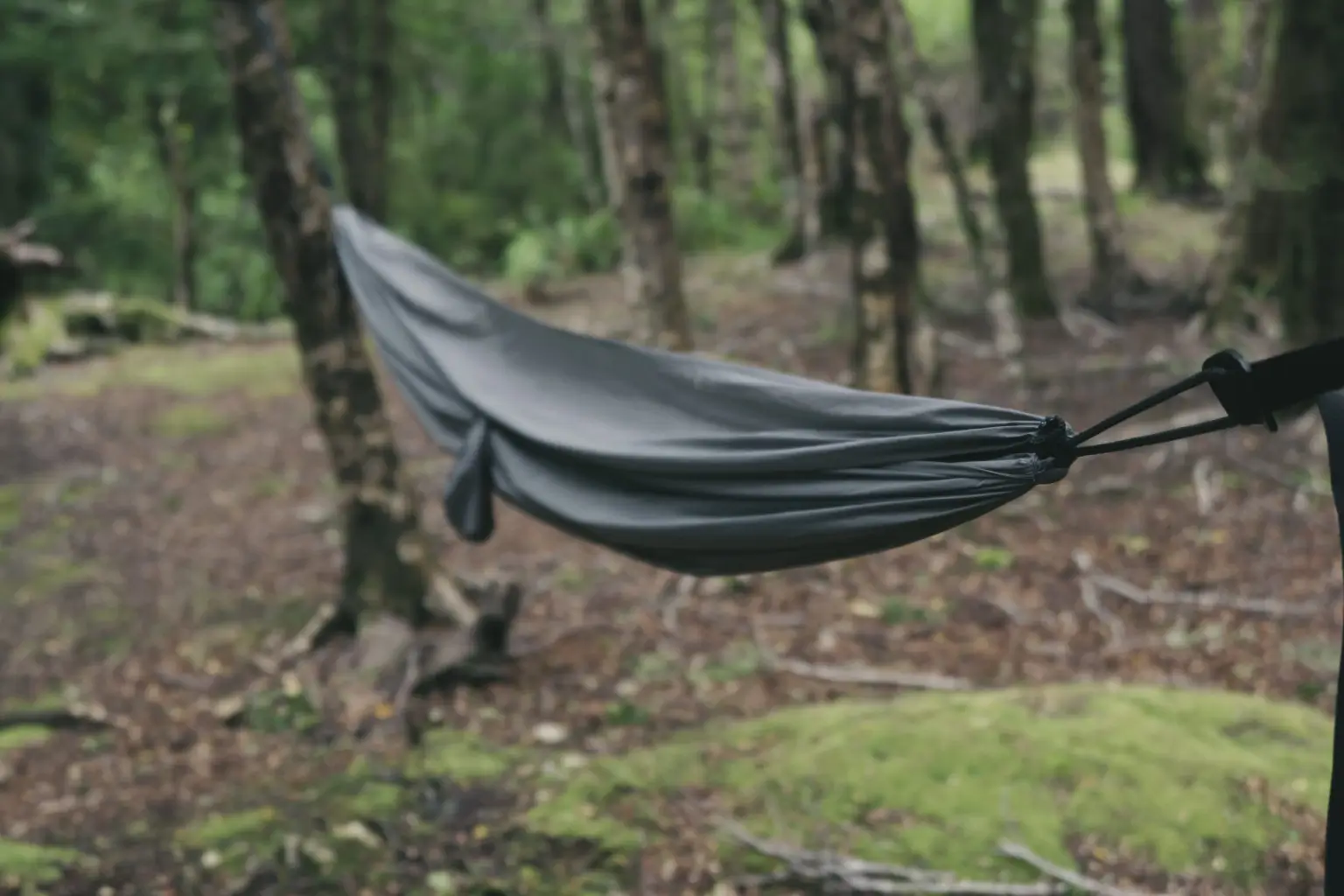
New Zealand ultralight gear systems demand integration across multiple equipment categories, each contributing measurably to overall pack weight and functional performance. Remlite’s curated selection ensures compatibility and synergy between components. Shelter solutions form the foundation; ultralight tents such as the Nemo Hornet Elite minimise weight whilst maintaining weather protection essential for New Zealand’s unpredictable alpine conditions. Tarps and hammock systems offer alternative configurations for users comfortable with minimalist setups, particularly suited to bikepackers traversing lower-elevation routes during favourable seasons.
Sleep systems merit equal attention. Therm-a-Rest’s NeoAir sleeping mats combine compressibility with insulation efficiency, crucial when ambient temperatures drop across high country regions. Remlite stocks quilts and sleeping bags engineered for temperature versatility, enabling users to select systems matched to seasonal conditions and personal tolerance. A 600-gram quilt may suffice for summer thru-hikes; winter expeditions demand heavier insulation despite the weight trade-off. This granularity reflects Remlite’s understanding that ultralight does not mean inadequately equipped.
Pack selection directly influences load distribution, comfort during extended carries, and durability under rugged use. Ultralight tramping packs from Remlite’s range typically weigh 800 to 1,200 grams, compared to conventional packs exceeding 2,000 grams. Hunting packs prioritise access and stability, accommodating ballistic game or equipment whilst maintaining lightweight profiles. Sea to Summit packs offer modular designs allowing users to adjust capacity without purchasing multiple bags.
Apparel choices shape thermal management and movement efficiency. SKRE camouflage clothing, engineered for hunting contexts, provides silent fabrics critical for stalk-based pursuits. Icebreaker Merino wool layers regulate moisture and temperature across fluctuating conditions, from misty beech forests to exposed ridgelines. Rain gear remains non-negotiable; New Zealand ultralight gear inventories include waterproof jackets and trousers that protect without the weight penalty of heavy synthetic shells.
Accessories amplify system functionality. Stoves deliver cooking capability in minimal footprint; compact cookware nests efficiently within packs. Headlamps from quality manufacturers provide navigation safety during pre-dawn starts or evening camp routines. Water purification systems, essential in backcountry contexts where natural water sources predominate, weigh mere grams whilst ensuring potability. Optics and navigation devices round out the ecosystem, each component selected for genuine utility rather than surplus capacity.
Strategic sourcing distinguishes Remlite from generic outdoor retailers. The company prioritises European engineering, recognising that Swiss, Austrian, and German manufacturers have refined ultralight design through decades of Alpine expeditions. Hand-crafted production runs ensure quality control absent in mass-manufacturing settings. Limited-edition drops create exclusivity and community engagement; customers receive curated collections before wider retail availability. This approach reinforces Remlite’s identity as a specialist rather than a volume-driven competitor.
Integration across categories demands thoughtfulness. Selecting the lightest tent without considering sleeping mat insulation ratings, for example, compromises thermal performance. Remlite’s expertise bridges this gap. Educational resources including packing guides, gear lists, and field-testing documentation empower customers to assemble coherent systems aligned with personal objectives, experience levels, and seasonal demands. The 30-day guarantee provides a safety net; customers uncertain about specific choices can test equipment without permanent commitment, building confidence in ultralight methodologies over time.